
Guide 3 of 5 · Clients
How to Find Private Chef Clients
Your first clients rarely arrive on their own. At the start you go and find them; over time the aim is a business where clients find you. This guide covers both: the channels that bring private chef work, how to choose between them, and a simple prospecting method you can start this week.
Two ways clients reach you
Partnerships: villa managers, concierges, retreat organisers, hotels and planners who already serve your clients. They can send bookings quickly, but cost outreach and relationship time, and sometimes a commission.
Direct: referrals, your website, Google and social media. Slower to build, but you own the relationship and enquiries keep arriving without you chasing them.
A healthy business uses both. Partnerships and referrals fill the calendar early; direct channels compound in the background.
Start with people who already know you
Your first paying client is most likely one or two introductions away. Make a list of 20 people: friends who host, former colleagues, people you have cooked for, anyone in hospitality or property. Tell them exactly what you now offer and who it is for. A specific ask ("Do you know anyone renting a villa this summer who would like a chef for a night?") gets far better results than "Let me know if you hear of anything."
After every job, ask for a review and one introduction. This becomes your most reliable channel.
Partner channels, and what each one needs
- Villa managers and property owners: want reliable suppliers who make their guests happy. Send a short offer, sample menus and a clear price range.
- Concierges and travel companies: need to answer guest requests fast. Make yourself easy to recommend with a one-page offer and quick replies.
- Retreat organisers: plan months ahead and care about dietary handling and cost per head per day.
- Hotels without full kitchens, and event or wedding planners: look for flexible capacity for special dinners and small events.
Keep the list targeted. Ten well-chosen partners who suit your offer are worth more than a hundred generic emails.
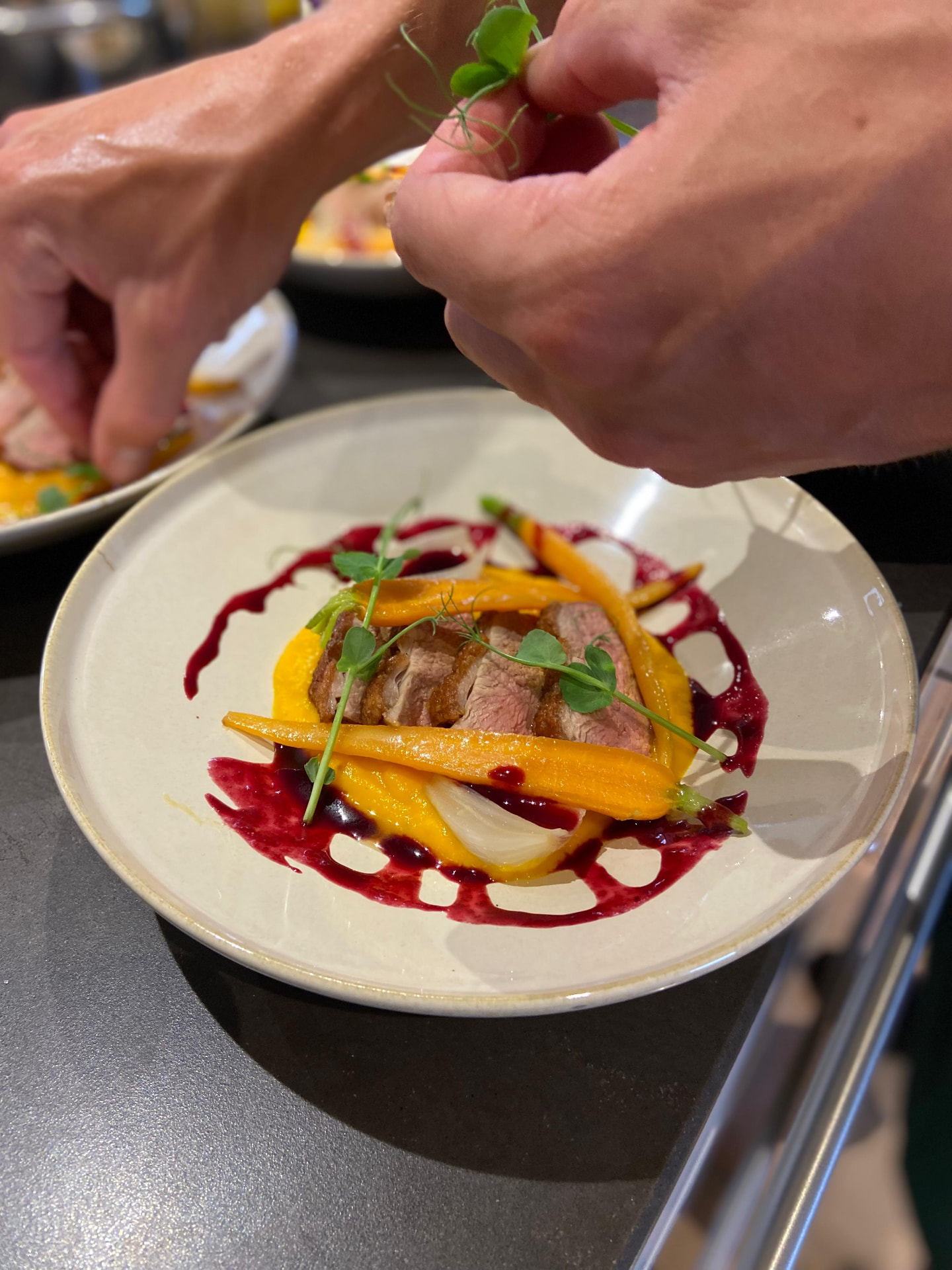
Direct channels: website, Google and Instagram
A simple website or landing page with your offer sentence, sample menus, price guidance, photos, reviews and one clear way to enquire.
Google: create a Google Business Profile if you are eligible where you work, choose accurate categories, add photos and ask every client for a review. People search for phrases such as "private chef [area]", so use your area naturally on your site.
Instagram and social media: treat your profile as a portfolio. Pin posts that show your menus, your offer and how to book. Post consistently rather than often, and reply to every message the same day.
A prospecting method you can start this week
- Pick one channel that matches your niche, for example villa managers for villa dinners.
- Build a list of 10–20 prospects with name, company, contact and why they fit. Search property listings, local agencies and your own contacts.
- Personalise one line per message: a property they manage, an event they ran.
- Send five a day, not fifty at once, so you can reply properly.
- Follow up once after 5–7 days with something useful, such as a sample menu.
- Track status: contacted, replied, interested, booked, not now.
Example first message to a villa manager
Hi Ana,
I'm a private chef based in Lagos. I cook dinners at the villa for guests, including menu planning, shopping, service and cleaning, from 600 for up to six guests.
I noticed you manage several larger properties near Praia da Luz. Would it help to have my menus and prices ready for when guests ask about a chef? I can send them over.
Best, Maria
Example follow-up
Hi Ana, just following up with two sample menus attached, in case a guest asks this season. Happy to do a tasting for your team if that's useful. Maria
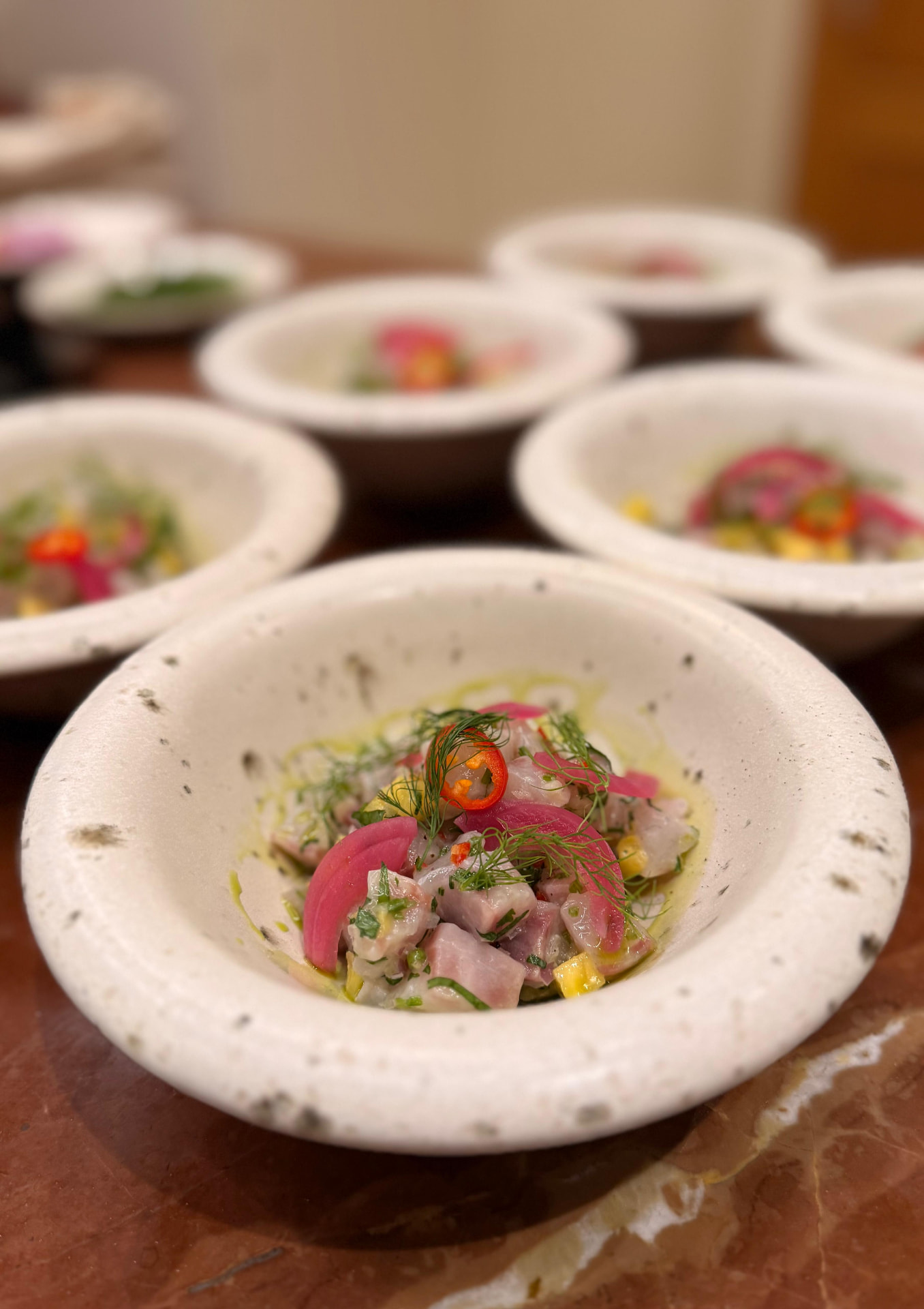
What to prepare before you reach out
Client-finding checklist
Your first month
- 20 personal contacts told exactly what you offer
- One partner channel chosen and a list of 10–20 prospects built
- First message and follow-up written
- Simple website or landing page live
- Google Business Profile and Instagram set up with menus and photos
- A review and referral request sent after every job
When enquiries start arriving, the way you handle them decides how many become bookings. Continue with Guide 4: How to Turn Enquiries Into Confirmed Bookings.
Build your first prospect list
Private Chef System helps you choose your channel, build a prospect list and prepare ready-to-send outreach and follow-up messages.